Conductive PVC Technical Guide
Conductive PVC Film Surface Resistance: Test Conditions, Units and Acceptance Data
How to read supplier surface-resistance data for conductive PVC film and create a reproducible test and acceptance request.
Published: September 30, 2026 · Author: Technical Editorial Team
Article summary
How to read supplier surface-resistance data for conductive PVC film and create a reproducible test and acceptance request.
Technical content
Conductive PVC Film Surface Resistance: How to Read a Supplier Value and Build a Reproducible Test Request
A displayed surface-resistance number is useful only when it can be connected to a defined specimen, electrode arrangement, test voltage, duration, environmental condition and reporting rule. The supplied conductive PVC workbook reports 120 Ω ±30% for its single-sided variants and 100 Ω ±30% for its double-layer variants, citing GB/T 1410. Those values are supplier technical data; they are not a substitute for an acceptance procedure.
Resistance and resistivity are not interchangeable
Surface resistance is the quotient of applied DC voltage and current between electrodes on the specimen surface at a stated time. Surface resistivity is a normalized quantity based on the geometry of the electrode arrangement. A report that says “Ω” should not be relabeled “Ω/sq” unless the method and calculation support that conversion. The same care applies to units, test voltage and dwell time.
Why the test condition matters
GB/T 1410’s scope explains that surface-resistance testing is affected by voltage magnitude and application time, electrode geometry, temperature and humidity. ASTM D257 also states that surface resistance is affected by contamination and notes that it is not suitable for moderately conductive materials. These references are valuable context but they do not automatically establish the right method for a particular conductive PVC target range.
| Report field | What the buyer should ask for | Reason |
|---|---|---|
| Material identity | Variant, thickness, conductive side and batch/lot | Prevents a result from being assigned to a different construction. |
| Test surface | Which face was measured and whether the surface was cleaned | A double-layer product can have different functional sides. |
| Electrode configuration | Electrode type, contact pressure, spacing and guarded or unguarded arrangement | Geometry changes the meaning of the result. |
| Electrical conditions | DC voltage, polarity, electrification time and instrument range | A resistance value can change with time and voltage. |
| Environment | Conditioning time, temperature and relative humidity | Humidity and contamination can strongly affect surface readings. |
| Sample plan | Number of points, locations, replication and acceptance calculation | Defines whether a displayed result is a single reading or a batch result. |
Make the video useful without over-interpreting it
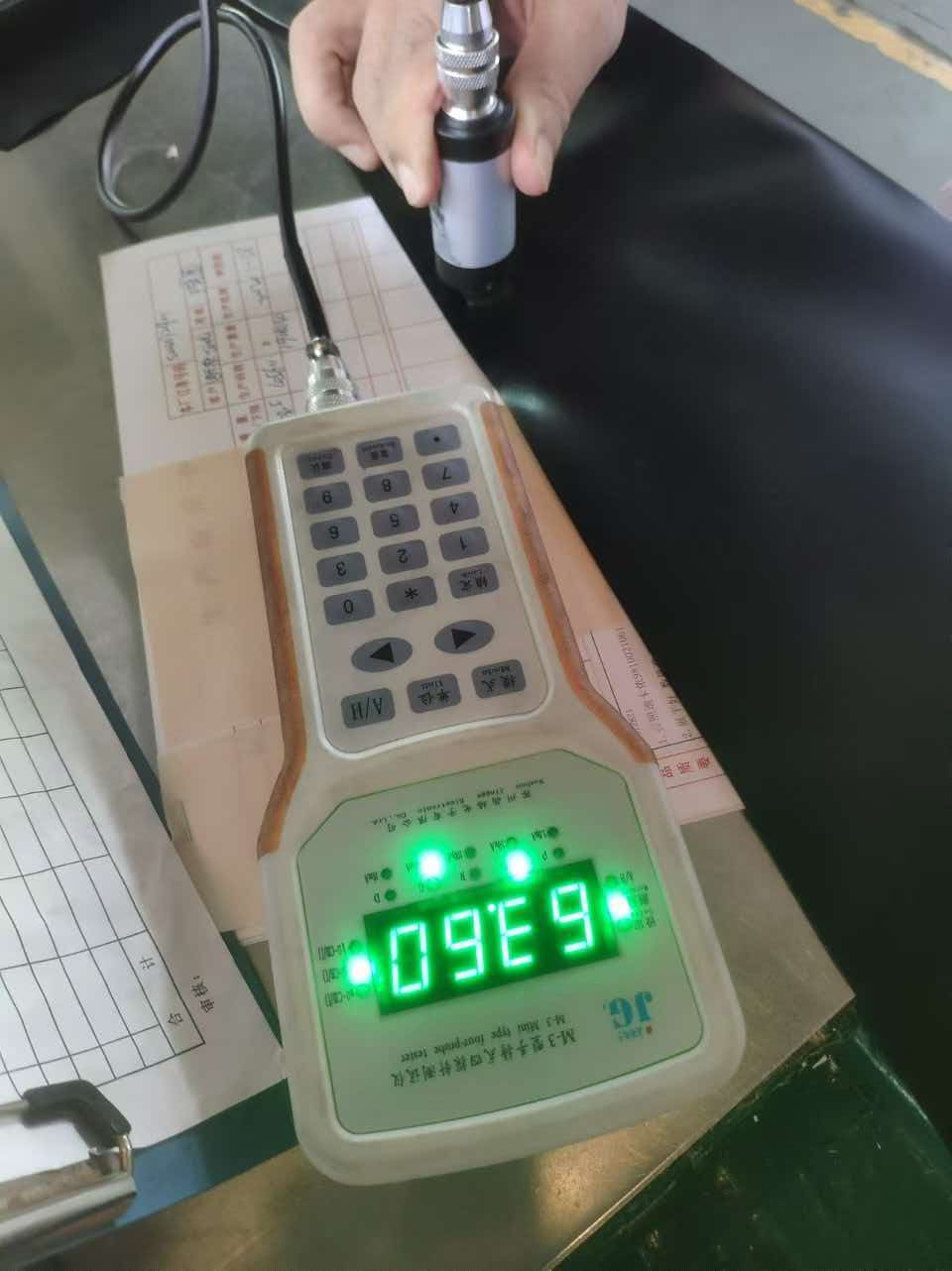
The supplier video and test photos show a surface measurement demonstration. They help identify the sample appearance and the type of measurement activity, but the visible display is not a certified result. Use them as supporting material only. A project acceptance test requires a written procedure, calibrated equipment where required, documented conditioning and a signed result record.
Recommended incoming-inspection sequence
Start by comparing the delivered material with the approved product and lot identification. Inspect the relevant surface for visible contamination or damage. Condition test specimens as the agreed method requires. Apply the documented electrode configuration and test settings. Record individual readings and environmental conditions. Compare the calculated acceptance statistic with the purchase specification. If the result is out of range, segregate the lot and follow the agreed nonconformance process.
What to include in a quotation request
Give the target electrical range and unit, intended function, side to be conductive, thickness, size, assembly drawing, operating temperature/humidity, contact method, required test standard/edition, test voltage, dwell time, number of readings, documents and destination. This avoids a quotation that is technically incomplete.
References
- [GB 12952-2011 — Polyvinyl chloride plastic sheets for waterproofing](https://www.chinesestandard.net/PDF.aspx/GB12952-2011). This is a PVC waterproofing-sheet standard; it is not a certification claim for every conductive film configuration.
- [GB/T 1410-2006 — Methods of test for volume resistivity and surface resistivity of solid electrical insulating materials](https://www.chinesestandard.net/PDF.aspx/GBT1410-2006). The referenced publication notes that it has been replaced by GB/T 31838.2-2019; use the contractual project edition and the complete method when testing.
- [ASTM D257-14(2021)e1 — DC Resistance or Conductance of Insulating Materials](https://www.astm.org/d0257-14r21e01.html). The ASTM scope notes that the method is not suitable for moderately conductive materials; suitability must be confirmed for the selected material and target range.